Why Solutions4Health is the Solution 4 Your Health
For the past 17 years we have remained steadfast in our commitment to providing our loyal customers with the purest and most effective natural remedies. We invite you to experience the power of nature through our products and join us in the journey towards better health and well-being.
Fabulous product/s, immediate eradication of 'flu, colds, cough, and inflammation. It's my first go-to for cures, for fever, rash, and the above issues.
Service is super of course.
Esther T.
Verified Buyer
A lovely product, I can see the quality is there. Using it daily for general health and wellbeing, and as a way to hopefully keep viruses at bay. I’ll be reordering.
Angelique K.
Verified Buyer
The Oregano capsules are very effective against infections of bacteria and virus, including the potent kind.
Any body who is suffering from these infections should take Oregano Oil capsules immediately.
Maurice E.
Verified Buyer
Digestive issues!
Definitely helps as I made the rookie mistake of going off it & things got really bad again.
I love delivery is so quick & deals/discounts are available.
Nat D.
Verified Buyer
Solutions4health has a good range of quality products, very rapid delivery times and user friendly service. I use oregano oil daily as a health supplement.
Carl H.
Verified Buyer
WHAT'S INSIDE
Solutions4Health products are nutraceutical products that contain emulsified essential oils. The essential oil of Wild Oregano in its pure form is very potent, and carriers risks when handled by a consmer. this is the case whether it's being used for internal or external use.
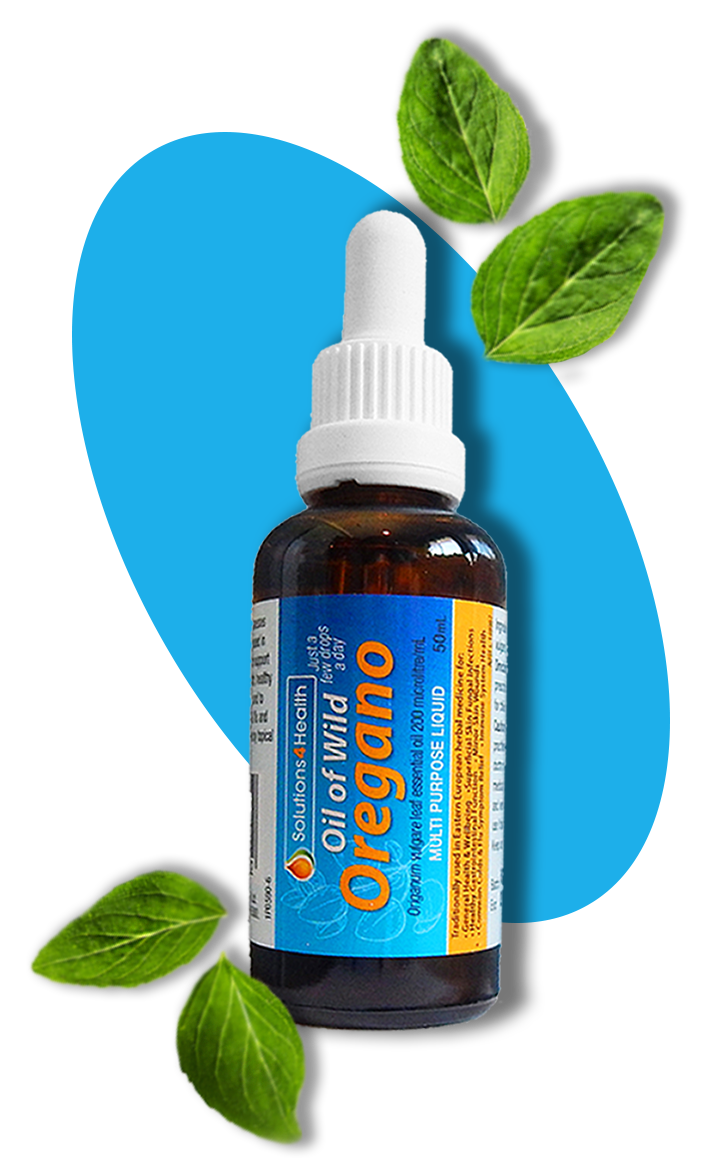
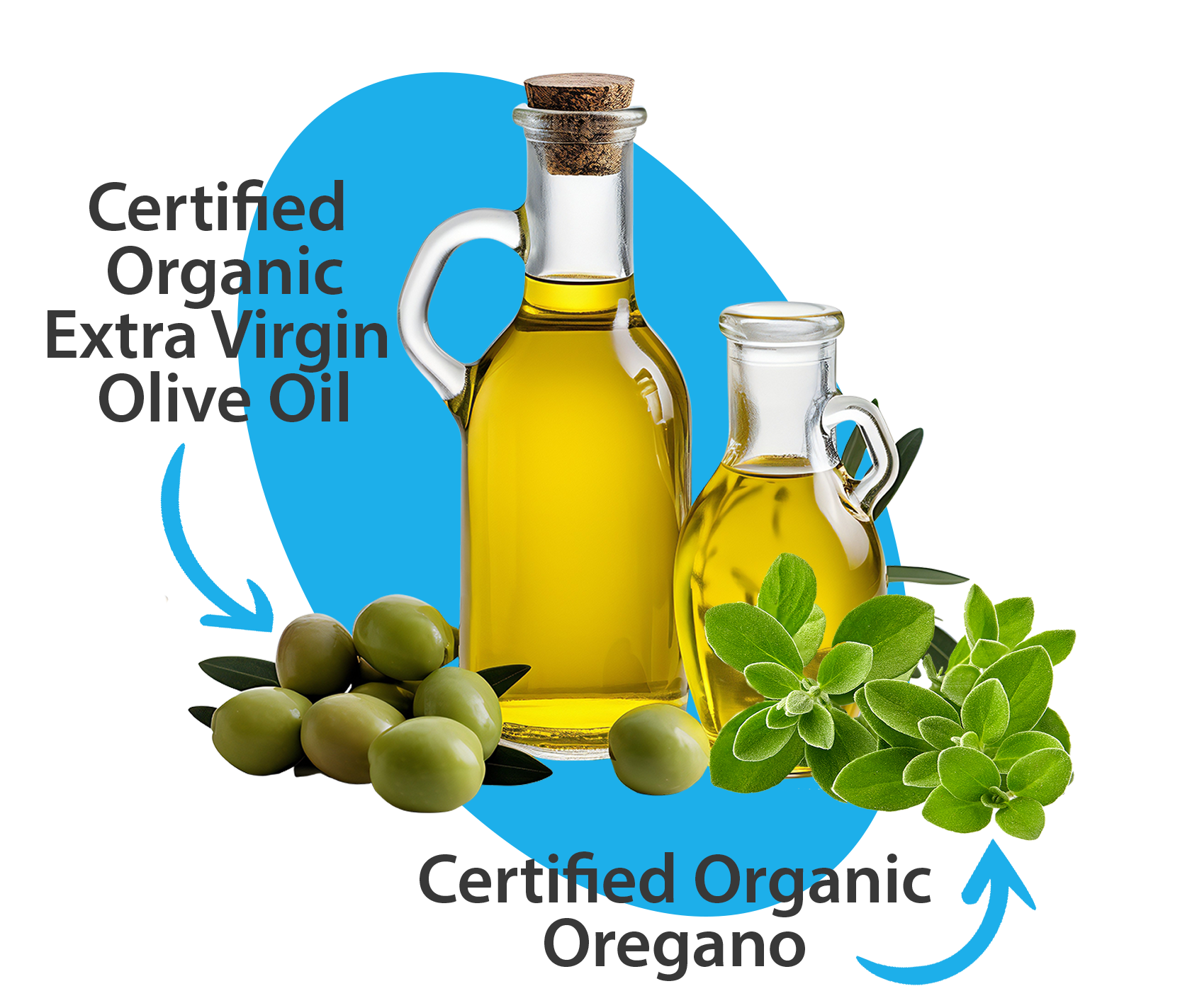
Consumers can rest easy with Solutions4Health's Oil of Wild Oregano Liquid and Capsules. It is emulsified in a carrier oil, Certified Organic Extra Virgin Olive Oil at ratios that achieve appropriate dilution, ready for immediate internal or external use. We do not wish to leave the consumer with the responsibility of preparing the oil for use.
no fillers. no additives. all natural
Blogs
How Oregano Oil Capsules Boost Your Immune System Naturally
Oregano oil capsules offer a natural, science-backed means of fortifying our defences and helping us adapt to the ever-changing landscape of health threats.
How to Incorporate Oil of Wild Oregano into Your Daily Routine
Oil of Wild Oregano stands as a versatile and powerful natural remedy, deeply rooted in history and embraced in the modern day for its myriad health benefits. Embracing oregano essential oil Australia offers a holistic approach to health and wellbeing.
Discover the top 5 foods you should avoid when sick for a speedier recovery. Here are the insights to help you make the right dietary choices. Read more.
Staying healthy and choosing the right things to do to help your body to give it the best chances to optimize your immune system can be a little challenging. We want to help! It doesn’t have to be complicated. All you have to do is incorporate these simple and easy tips into your lifestyle!